
The problem
Decarbonisation starts with a clean ship
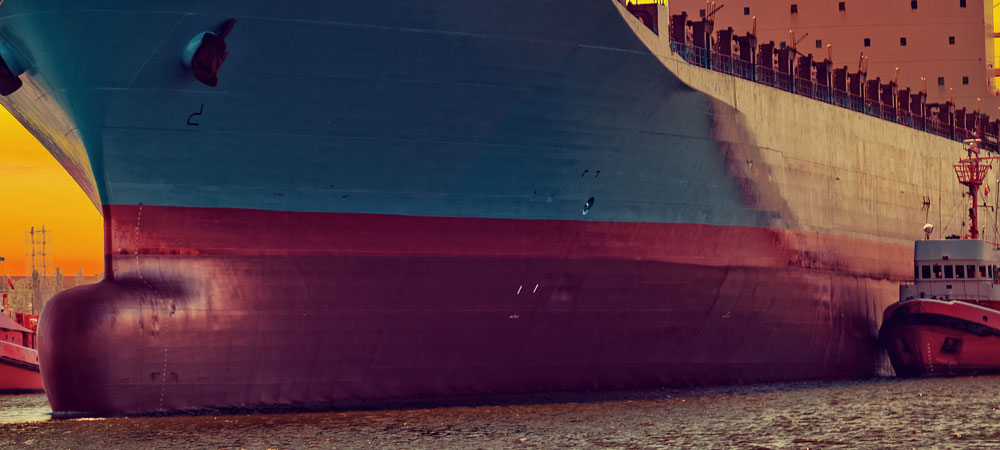
CII ratings, EU ETS costs and charterers’ questions have turned hull and propeller condition into a line in the budget. The published range for a meaningfully fouled hull is 10% to 30% more fuel at constant speed, and the penalty compounds between dockings.
The niche areas matter as much as the flat plate. Sea chests, gratings, thruster tunnels and internal seawater systems are where growth starts and where biosecurity inspectors look first. A blocked cooler turns into a slow steam or a day off hire. The IMO’s 2023 biofouling guidelines ask owners to manage these areas in the ship’s Biofouling Management Plan.
Coatings, in-water cleaning and impressed-current systems each cover part of this, and each brings its own consumables, port restrictions or discharge. The methods compared →
Where it stands
What it does on a deep-sea ship today
We would rather tell you now than have you find out at the first inspection.
- Addressed today: sea chests, box coolers, strainers and engine-room seawater systems. This is where ultrasound works cleanly and where the in-service evidence is strongest. No anodes to change, no dosing, no diver in the chest, and cooling at design in warm water.
- Partly addressed: propellers and running gear. Transducers on the structure beside the gear protect it today, and further work is under way on the shaft and propeller area, where fouling costs the most.
- Still being engineered: the full external hull of a large deep-sea ship. This is the part of the problem ultrasonic antifouling as a category has not yet solved at scale. We are working on it, and we will not sell it to you before it is proven. The ENVS2.sXDCR MAX smart transducer is the next step.
The founder’s letter sets this out in full: Clean hulls first →
Where it goes on a large vessel
- Control cabinet: in the engine room or control room, on 100 to 240 VAC, monitored remotely.
- Sea chests and box coolers: several channels each.
- Thruster tunnels and running gear: transducers on the inboard structure.
- Hull plating: zones of transducers along the inboard side.
Where it is proven today
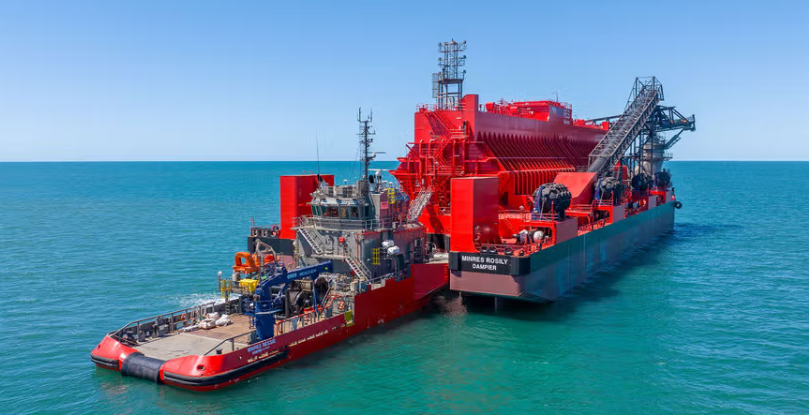
MRL Resources: four 184 m stationary processing barges
Box coolers protected across the asset life on the hardest fouling profile in commercial maritime: an asset that never moves.
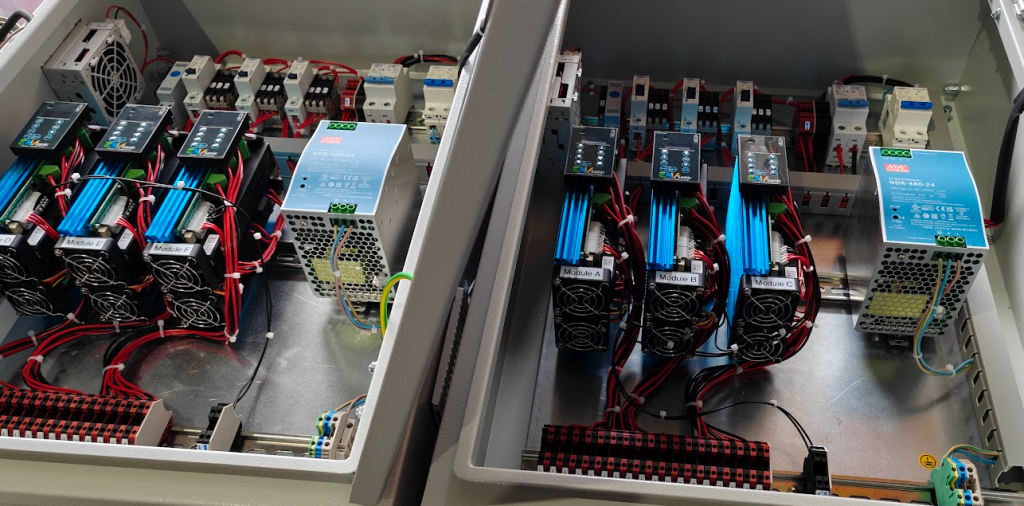
Cochin Shipyard SOV: two 18-channel cabinets from 6-channel DIN modules
Yard-specified cabinets built from the same DIN module used on a four-channel workboat system.
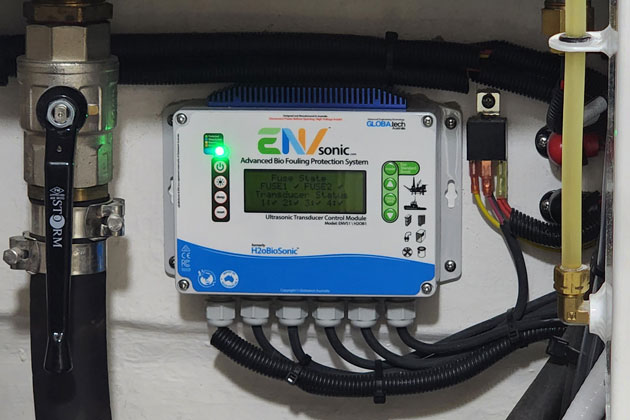
Asia-Pacific tug fleet: from a two-tug pilot to standard fitment across 25
Pilot validated in service; ENVSonic now standard on every newbuild from the designated builder.
The hardware
What goes in the engine room
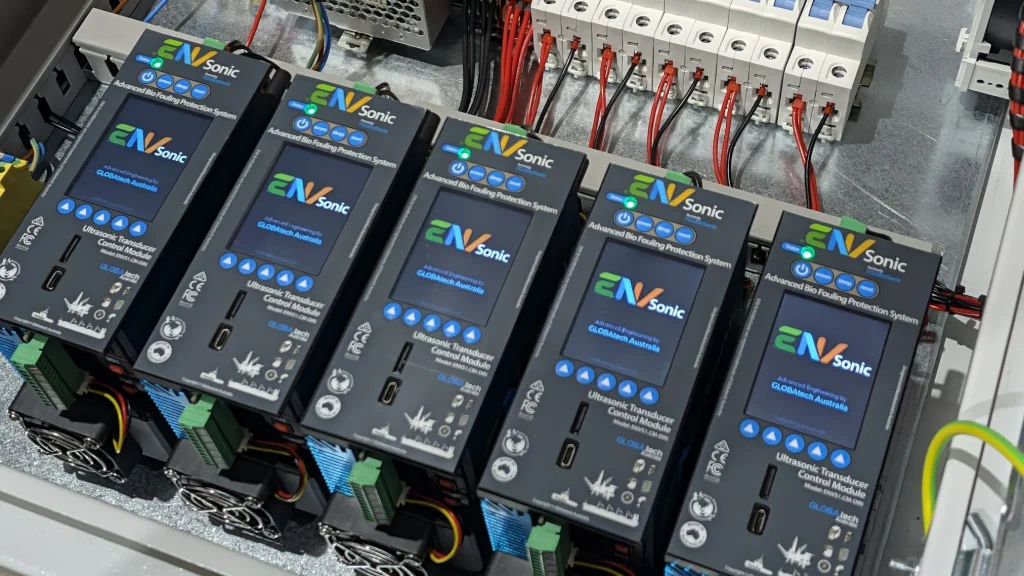
One wall-mounted cabinet, usually in the engine control room or beside the switchboard. Inside are ENVS1 control modules on a DIN rail, four or six channels each. Every channel is tested and calibrated every day, and a module that needs attention can be isolated on its own breaker while the rest keep running. Cabinets are built from 6 to 54 channels, and the transducer cables leave through the bottom to the sea chests, coolers and pipework.
For a fleet
Prove it on one ship first
For a deep-sea fleet we recommend a measured pilot before any fleet decision.
- One vessel in a set of sisters, on the same trade, with the others left as controls.
- Twelve months of agreed measurements: fuel per nautical mile in normalised speed bands, aligned with ISO 19030; propeller slip as the independent fouling indicator; cooler temperatures where coolers are protected; inspection photographs at the same positions each time.
- Fleet terms agreed up front, so a good result moves straight to the class without a second negotiation.
- Fitted in service. Transducers bond inside the ship. Cable penetrations into ballast tanks need class approval and are planned for a docking.
How the pilot programme works → · Estimate the fuel, CO₂ and CII effect →
Three questions to ask any supplier
- How do I know every transducer is working today? Ask how each channel is checked, how often, and what the crew sees when one stops.
- How much energy reaches the steel? Ask for the energy delivered into the structure, not the watts on the label, and how the mount is qualified.
- Who stands behind it in year three? Ask who designed it, who holds the certification for the complete system, and what the warranty covers.
Our own answers are on the technology page and in the warranty.
Can ultrasonic antifouling keep the whole hull of a bulk carrier clean?
Not yet, and we say so. Full external hull coverage at deep-sea scale is the part of the problem ultrasonic antifouling as a category has not yet solved. Sea chests, coolers and engine-room seawater systems are addressed today, and propellers and running gear partly. The founder’s letter explains →
What does it protect on a deep-sea ship today?
Sea chests, box and central coolers, strainers, seawater pipework and thruster tunnels, with transducers bonded to the dry side of each. These are the niche areas a Biofouling Management Plan has to cover and the systems that cause a slow steam when they block.
Does it replace the anodes in the sea chests (MGPS or ICAF)?
Yes. ENVSonic has no anodes, no consumables and releases nothing into the seawater, so the anode replacement and dosing cycle on sea chests and strainers stops. Each transducer is monitored and calibrated daily by the control module.
What certification does it carry?
ENVSonic is certified FCC, CE and RCM as a complete system: control module, cabling and transducers together. Certificates and integration drawings are supplied for class submissions. No hull penetrations are needed; cable penetrations into ballast tanks need class approval.
How does it help CII?
CII is fuel burned for the transport work done, and fouling raises fuel at the same speed. Keeping coolers, niche areas and running gear clean removes part of that penalty. The pilot programme measures how much on your own ship, so the number in your CII plan is yours and not a brochure’s.