
Evidence
Ultrasonic antifouling results: the science and the service record
ENVSonic is the ultrasonic antifouling system with a decade-plus in-service record: named installations with measured results, from a two-tug pilot that became standard fitment across more than 25 tugs for an Asia-Pacific towage operator to seawater systems found clean through after thirteen years, alongside independent, peer-reviewed research on ultrasonic biofouling control.
Named installations, measured results
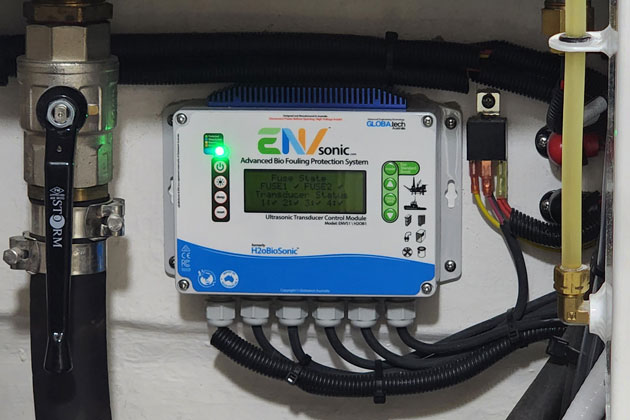
Asia-Pacific tug fleet: from a two-tug pilot to standard fitment across 25
Pilot validated in service; ENVSonic now standard on every newbuild from the designated builder.
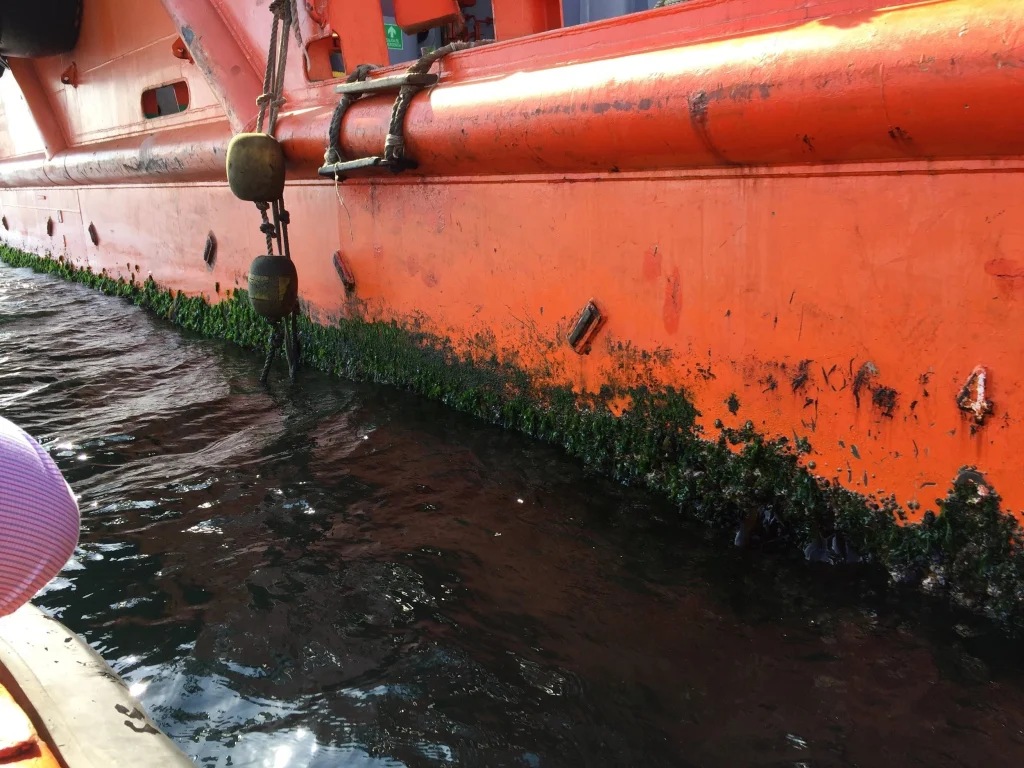
Chilean harbour tug fleet: fuel per engine hour held steady for 18 months
Fuel per engine hour held steady on fitted tugs while the unfitted tug rose 27%.
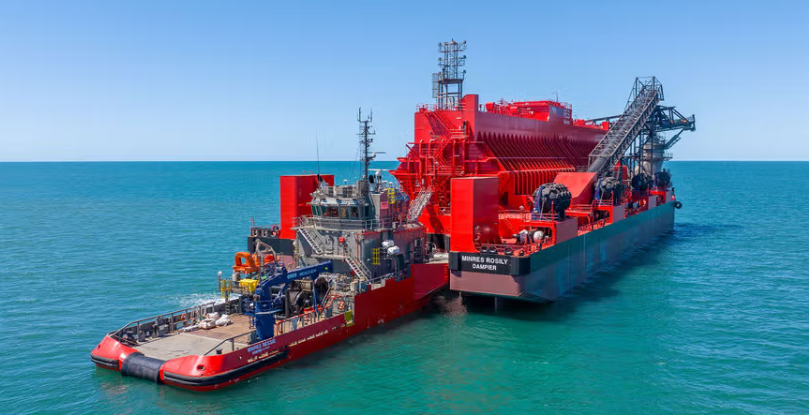
MRL Resources: four 184 m stationary processing barges
Box coolers protected across the asset life on the hardest fouling profile in commercial maritime: an asset that never moves.

Australian Ro-Pax ferries: a retrofit that fixed an active fouling problem
Growth on the protected hull and cooling zones under continuous control without taking the ferries out of service.
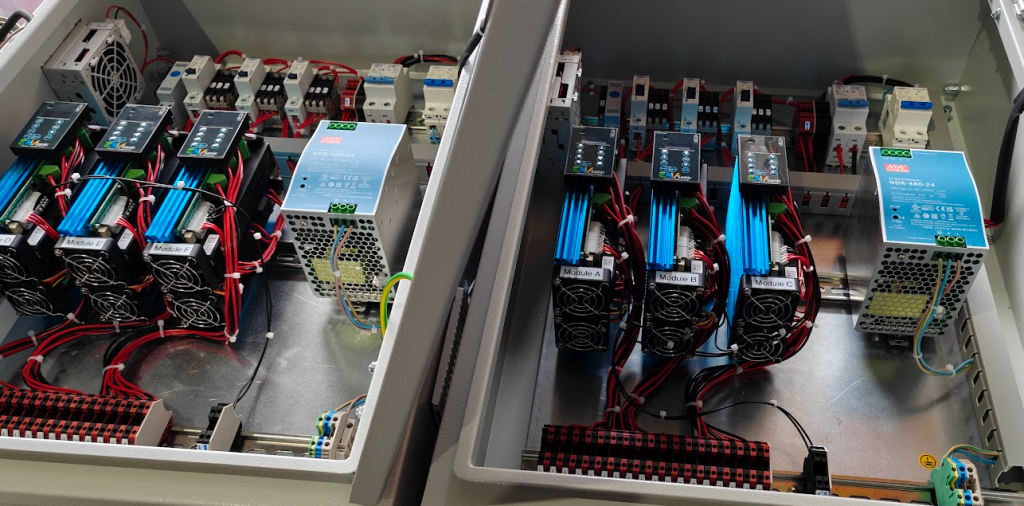
Cochin Shipyard SOV: two 18-channel cabinets from 6-channel DIN modules
Yard-specified cabinets built from the same DIN module used on a four-channel workboat system.
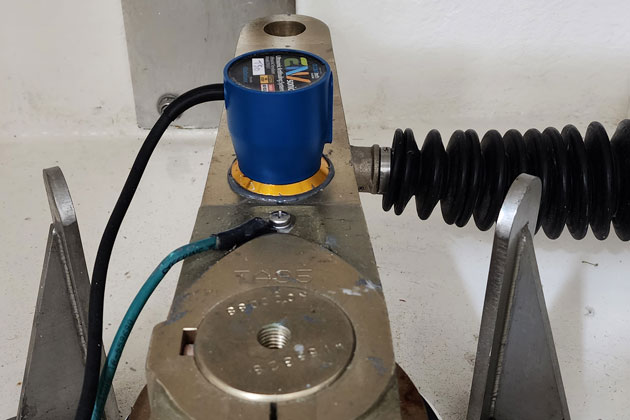
S/Y Encore — seawater systems clean through at survey
Thirteen years in service; pipework found clean at full survey with no dosing or dismantling.
Measured, not promised
The programme fits ENVSonic to one vessel in a set of sisters on the same trade and measures all of them for twelve months against ISO 19030, using fuel per nautical mile in normalised speed bands and propeller slip as the independent fouling indicator. Results are published whatever they show, with the operator named only where it agrees.
First results: to be announced
Join the programmeOne vessel fitted, its sisters left as controls, same trade and operating profile.
Fuel per nautical mile sorted into normalised speed bands; nothing cherry-picked.
Tracked as the independent indicator that ties the fuel difference to fouling.
The data, whatever the result shows. The operator is named only where it agrees.
Peer-reviewed effects of ultrasound on fouling organisms
Mechanism
Ultrasonic pressure is the key
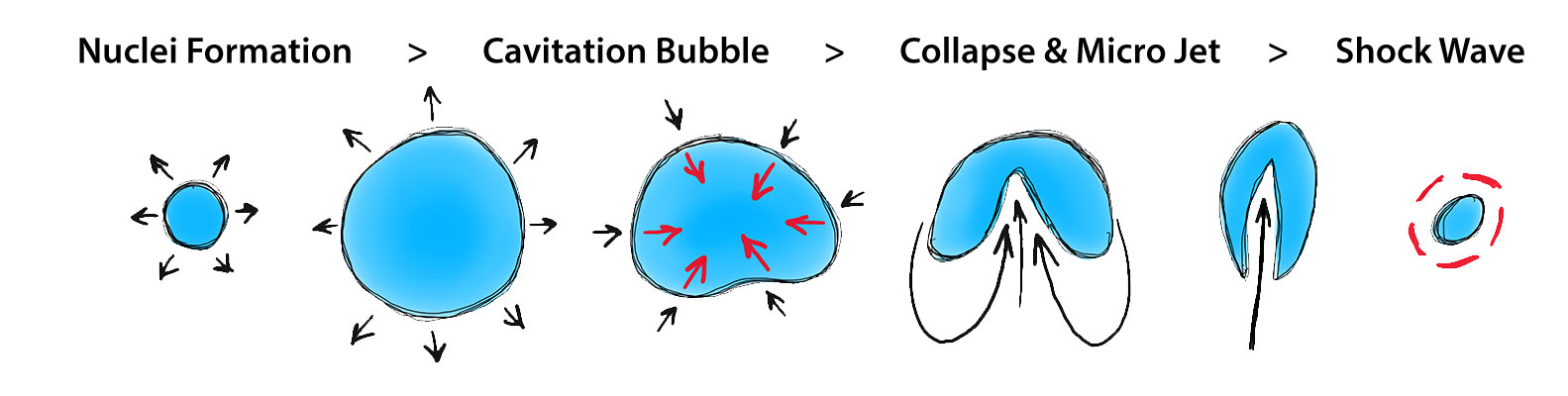
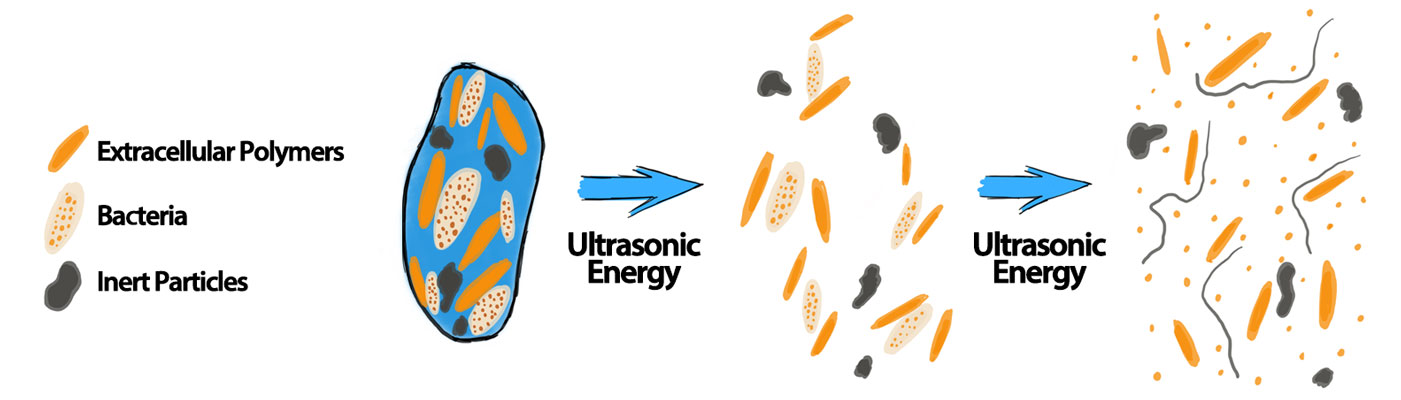
Energy emitted into the structure at targeted frequencies and power levels produces alternating compression and rarefaction in the liquid. Microscopic non-inertial cavitation bubbles form on or near the surface and nucleate on impurities; generating and collapsing them at targeted sizes agitates the surface and damages the cell walls of algae and bacteria, reducing them to inert particles.
Before and after
Before and after, per application
Photo pairs from our own installations are being collected at the next dockings; until then, the case studies above carry the inspection results.
Talk to the engineers who built it
As the OEM we design the transducers, footprint, electronics and firmware, build them in Australia, and support every system end to end, backed by a three-year complete-system warranty, or five years with a Monitoring & Maintenance plan.