ENVSonic carries FCC, CE and RCM certification for the complete system: control module, cabling and transducers together, as installed. Certifying the box alone is not the same thing, and the difference matters once the system is radiating energy into a steel structure next to navigation and communication equipment.
What is covered
- Electromagnetic emissions and immunity of the full installed system.
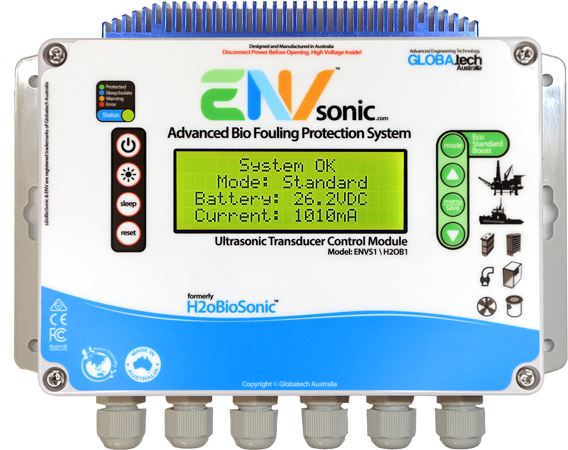
- Electrical safety of the control module: IP67 polycarbonate enclosure, anodised heatsink, internal fused protection.
- Control module electronics: RoHS compliant, with gold-plated, lead-free, conformally coated PCBs.
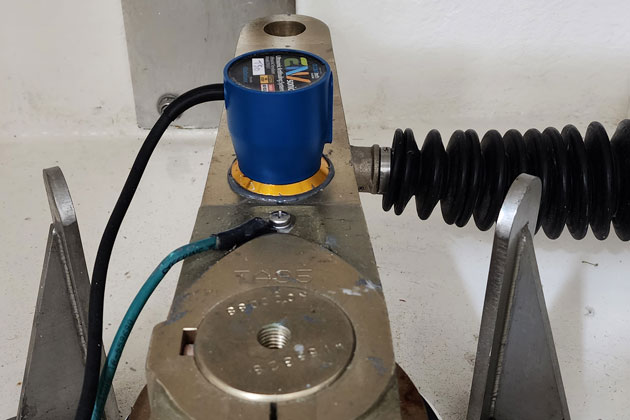
- Transducers: PZT piezoceramic. The lead it contains is sealed inside the potting and permitted under the EU RoHS exemption for lead in piezoelectric ceramics.
Why it matters
Yards and naval architects can show class full-system EMC certification at the drawing stage, not a certificate for the control module alone; class may still ask for marine EMC test evidence for a particular vessel. Operators have a certificate to hand to class and insurers. And because the transducers are hermetically potted and IP68 beyond 10 m, the certification holds for a dry box-cooler install or a flooded ballast tank alike.
ENVS2 certification is in progress and will be announced on completion.